
City Guide
12 Things That Will Surprise You When You Arrive in Japan (2026)
If you’ve been following my travels, you know that Japan completely won me over.
But what surprised me the most wasn’t the temples, the food, or the famous spots (even tho it def did).
It was all the small daily details — the little things you only notice once you’re actually there.
In this article, I’m sharing the 10 things that will surprise you the most in Japan, based on what I really saw and lived during my 15-day trip across Tokyo, Mount Fuji, Kyoto, Nara, Osaka, and Kamakura. And yes, there’s one scene in Osaka I’ll never forget.
The little details that make Japan so special …
What to Expect ?
Japan is a country where every small thing is thought through. Most of the surprises on this list come back to the same idea: a society built around respect, trust, and quiet efficiency.
Some of these things are super practical, others are more cultural. But you’ll notice all of them within your first few days in the country.
1. Vending Machines Everywhere
This is probably the first thing you notice when you arrive in Japan.
There are vending machines everywhere — on every street corner, in the most remote areas , in the countryside or even along hiking trails (i was hiking in Kobe and just randomly saw one in the middle of nowhere).
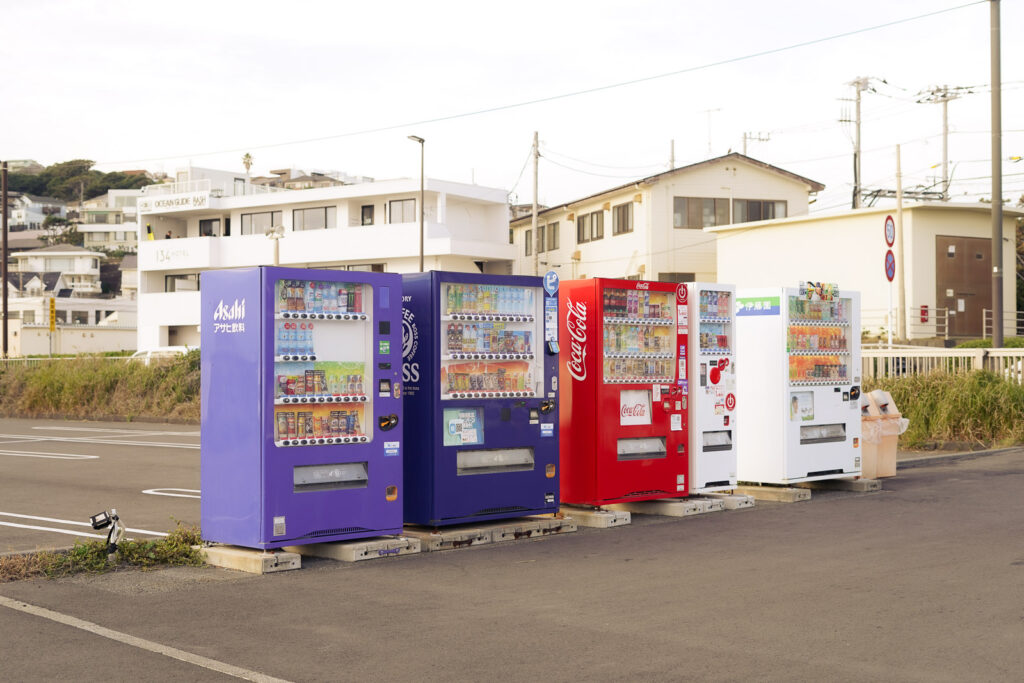
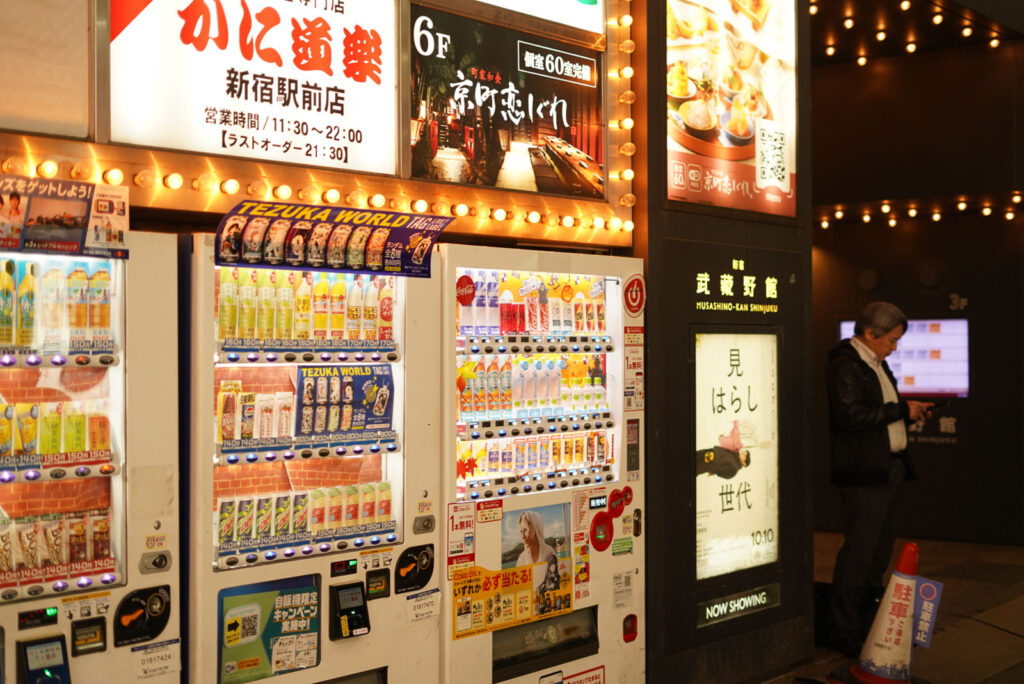
I was so curious about this phenomen and so did I search a bit about it, here is what I’ve learned.
HOW MANY? There are about 5 million of them in the country — that’s one for every 25 people. And you can find almost anything inside: hot or cold drinks (hot canned chai latte and coffee!), warm soups in winter, jelly water, and even beer and alcohol, self-service.
WHY? There are a few reasons for this. The crime rate is so low that a vending machine never gets vandalized. There’s also a cultural love for fast, quiet service, a shortage of workers in retail, and a very urban society where every square meter counts.
02. Eating Alone at a Counter
In Japan, eating alone at a counter is completely normal — and it’s something you see everywhere.
Many small restaurants, especially ramen shops, are built around a single counter facing the kitchen. People come in alone, eat quickly, and leave. There’s no awkwardness about being solo, no strange looks. It’s just a normal part of daily life.
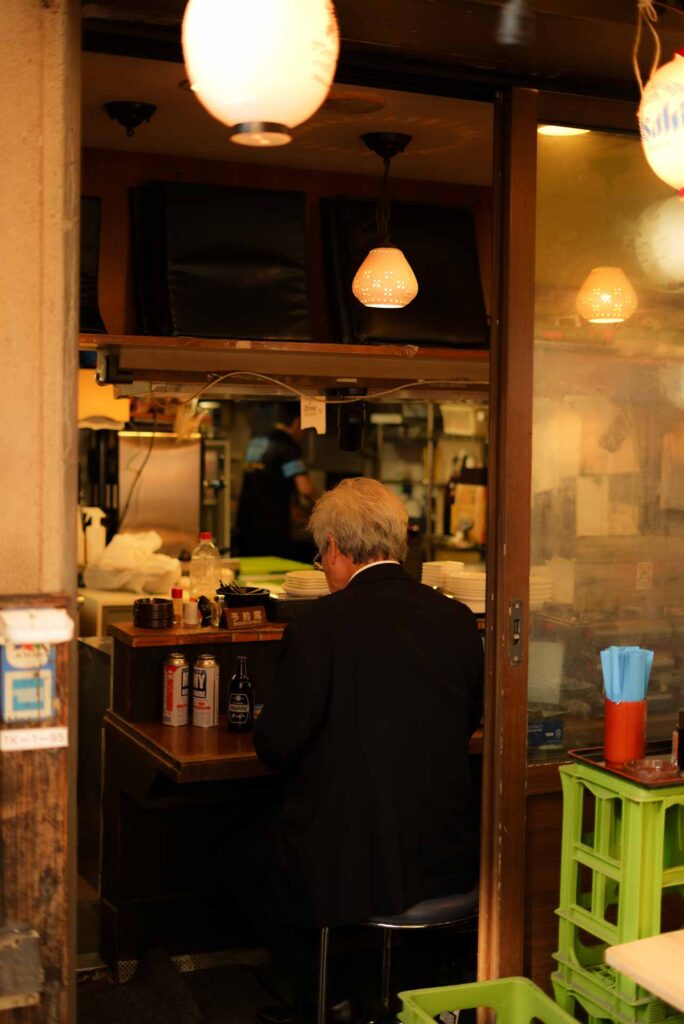
You’ll even find solo booths, like at Ichiran, where you eat in your own little space without any interaction. For a solo traveler, it’s perfect — you can enjoy a real meal anytime, without ever feeling out of place.
03. There Are Almost No Public Trash Cans
Here’s a paradox that surprises every traveler: Japan is the cleanest country in the world, and yet there are almost no public trash cans in the streets.
At first, it’s confusing. You buy something, you eat it, and you end up carrying your wrapper around for hours.
You can find trash cans in konbini, in metro and train stations, next to vending machines, and in public bathrooms. The main reason for this goes back to the 1995 sarin attacks in the Tokyo metro, after which many bins were removed for safety. But there’s also a deep cultural habit here: you carry your own trash, you don’t leave it for others.
My tip: Bring a small plastic bag or tote bag in your backpack to store your trash for the day. You can empty it at a konbini or back at your hotel.
And don’t worry — even with so few bins, the streets are spotless. Nobody litters. Everyone respects this silent rule.
04. Konbini Are Open 24/7 (and They’re Amazing)
The word “konbini” comes from “convenience store,” but Japanese konbini have nothing to do with a Western corner shop. They’re everyday temples, open 24/7, on every street corner.
The three big chains are 7-Eleven, Lawson, and FamilyMart.
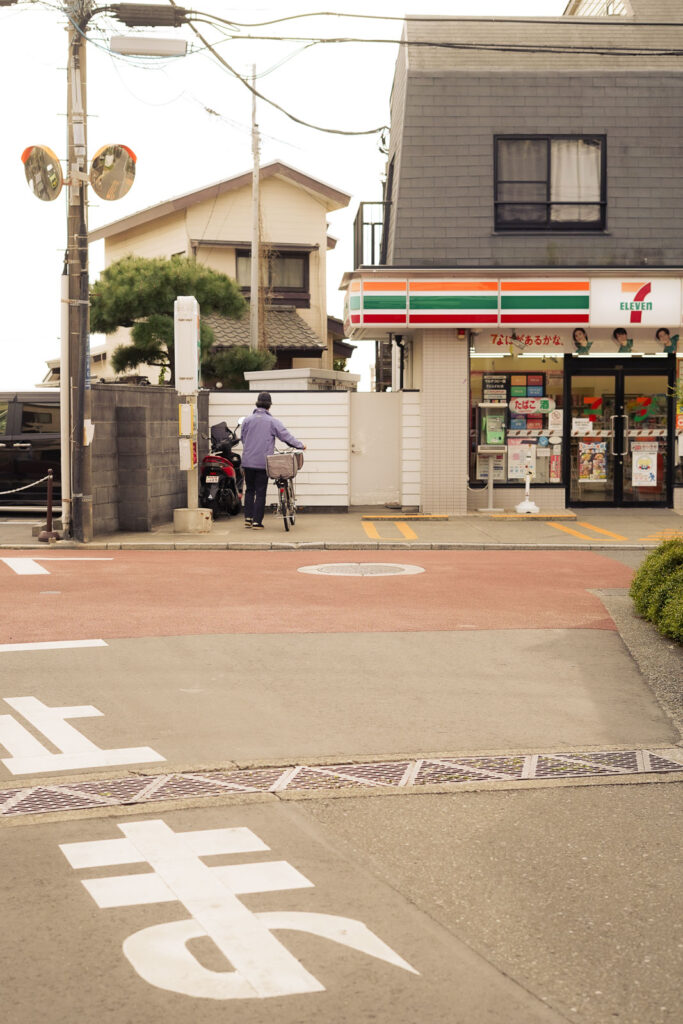
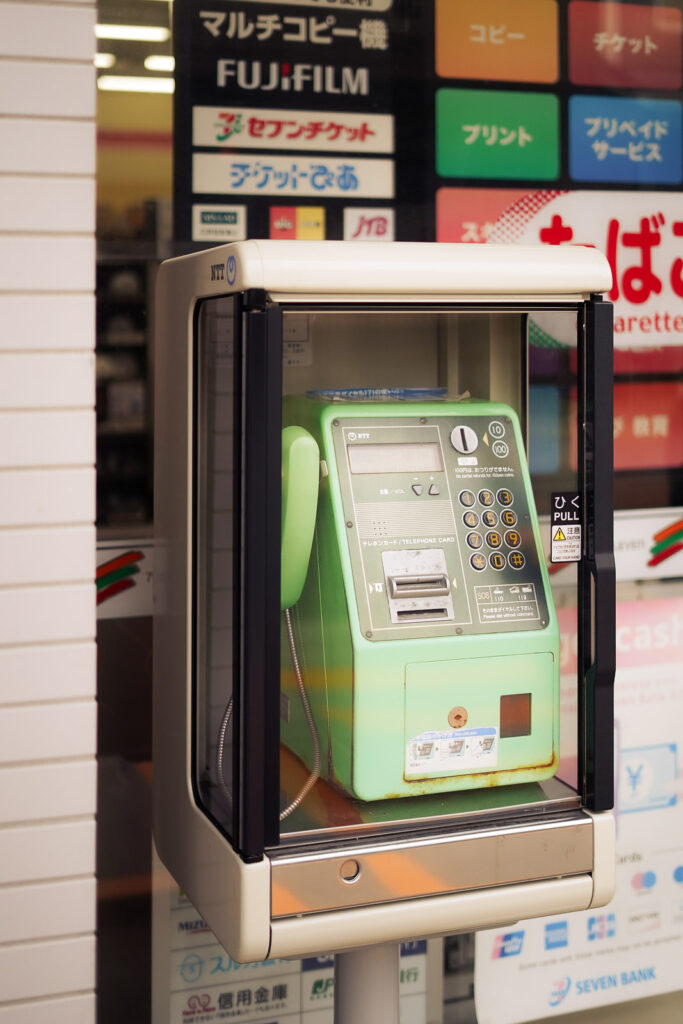
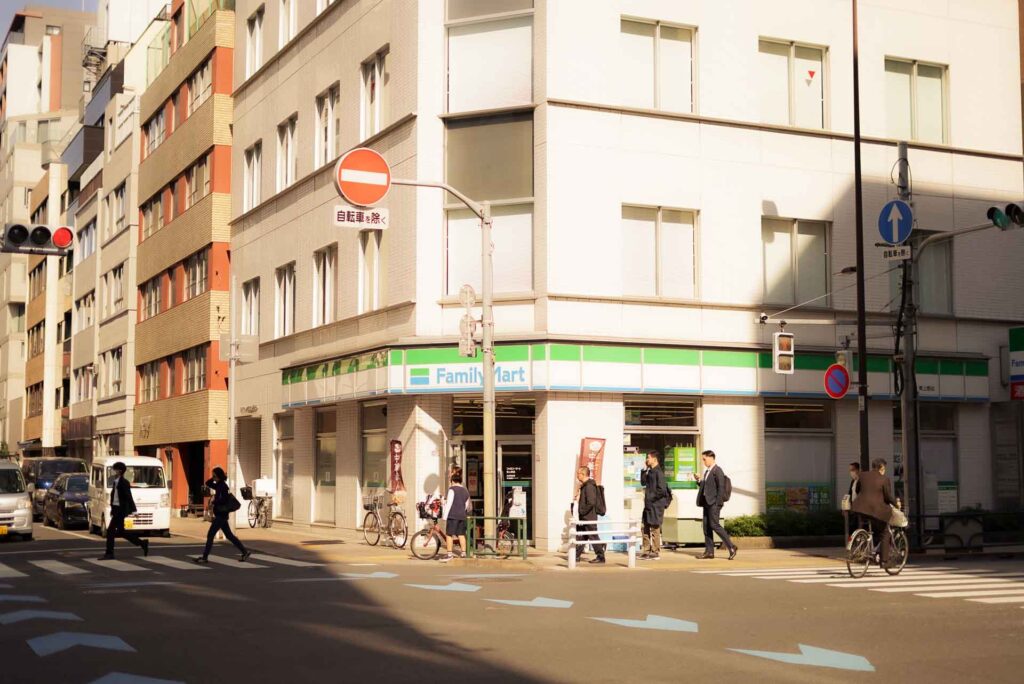
You can find almost everything there: fresh onigiri, sandwiches, full bento meals, hot dishes to heat up, but also cosmetics, phone chargers, tickets, and even cash withdrawal or bill payment.
But the real surprise is the quality. The food is incredibly good — fresh, tasty, and cheap. You can eat at konbini your whole trip and never be disappointed. For travelers on a tight budget, konbini are your best friend.
05. Gashapon Machines Everywhere
You can’t miss them in Japan — whole walls, sometimes entire shops, filled with gashapon machines.
Gashapon are small capsule toy machines. You put in a few coins (usually 200-500 ¥), turn the handle, and a plastic capsule drops out with a little surprise toy inside. The name comes from the sounds it makes: “gasha” (the turn) and “pon” (the capsule dropping).
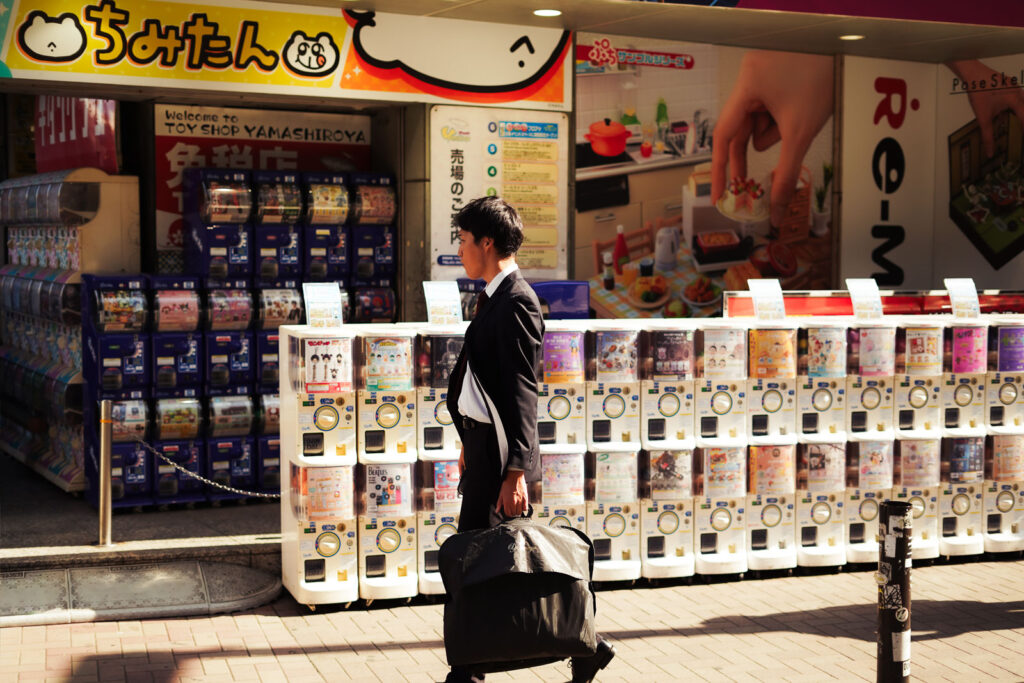
What surprised me is the variety! You can find everything from Mini Jimmy car, to Mini Camera or famous characters. There’s a whole culture around collecting them.
It’s cheap, it’s fun, and it makes a perfect little souvenir. Honestly, it’s hard to walk past a wall of gashapon without trying at least once.
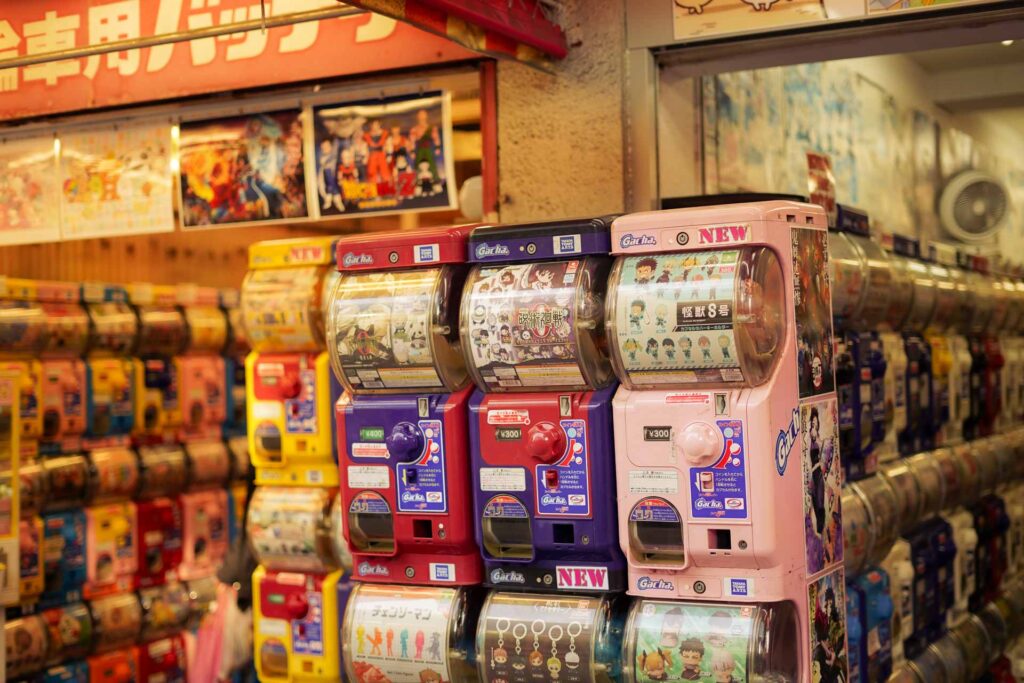
There are also shops where you can buy gashapon directly. But because there are common ones and rare ones, and because you can pick the exact one you want without buying it in a capsule, it’s more expensive than a gashapon from a machine. (Although in the end, isn’t it cheaper than buying dozens of capsules? Haha — but then again, that’s the whole point of the collection.)
06. High-Tech Toilets
In Japan, toilets aren’t just functional — they’re a technological institution. And you’ll find them everywhere: airports, train stations, restaurants, hotels, and even private homes.
The control panel can do a lot: heated seat (pure happiness in winter), electronic bidet with adjustable pressure and temperature, a softer spray for women, warm air drying, background sound to cover natural noises, and even an automatic lid on high-end models.
At first, you don’t really dare touch the buttons — the control panel looks like an airplane cockpit. But then you try one button, then another, and you get hooked. I can tell you that back home, “normal” toilets feel a little… sad.
07. Elegant Taxi Drivers with White Gloves
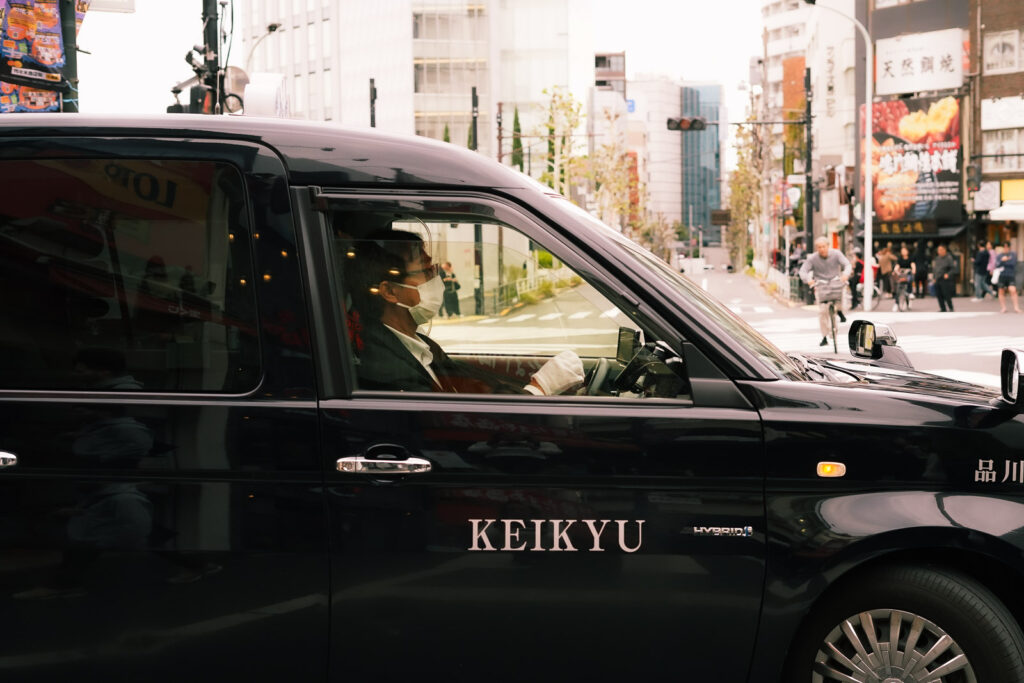
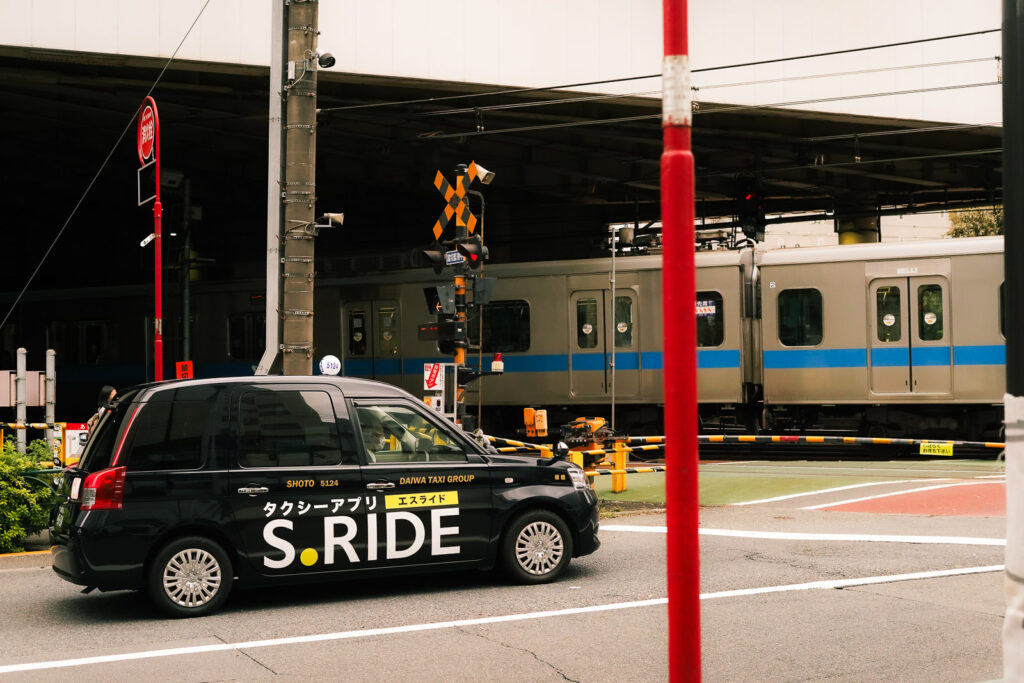
When I saw my first Japanese taxi, I was a little stunned. The drivers wear an impeccable suit, spotless white gloves, and often a hat or uniform cap. The inside of the taxi is covered with white lace seat covers, even on the headrests. It feels like stepping into a ceremony car.
Japanese taxis have a few special touches. The doors are automatic — you never open or close them yourself. The cars are spotless and lightly scented. The drivers are very polite: they bow when they greet you, speak little, and never ask for a tip. The meter is completely transparent, so there are no scams, ever.
Why so much elegance? In Japan, driving a taxi is a respected profession. Many drivers take their job very seriously, and the impeccable outfit is part of their professional pride.
READ | The Complete Guide to the Suica Card in Japan
08. Children Who Go Home from School Alone
This is probably the detail that moved me the most during my trip. In Japan, children — often as young as 6 or 7 — take public transport alone, walk home from school without any adult, and even run errands for their parents.
One evening, in Osaka station during rush hour — surrounded by millions of people, in the noise and the hurried crowd — I saw a little boy, about 7 years old, in his school uniform, his backpack on. He was walking calmly, alone, reading a newspaper as he went, like a tiny adult, completely at ease in that sea of people.
No adult was with him. No worried parent following behind. And nobody looked at him with surprise, because it’s completely normal.
That scene really touched me. Japan has one of the lowest crime rates in the world, and a deep culture of collective trust — if a child has a problem, any adult nearby will help. Children are also taught independence very early.
It’s a side of Japan that feels like it comes from another time, almost a utopia. And it’s one of the reasons you feel so safe traveling here.
09. Ticket Machines in Ramen Shops
You walk into a ramen shop and surprise — there’s no menu on the table, no waiter taking your order. Instead, there’s a ticket machine near the entrance.
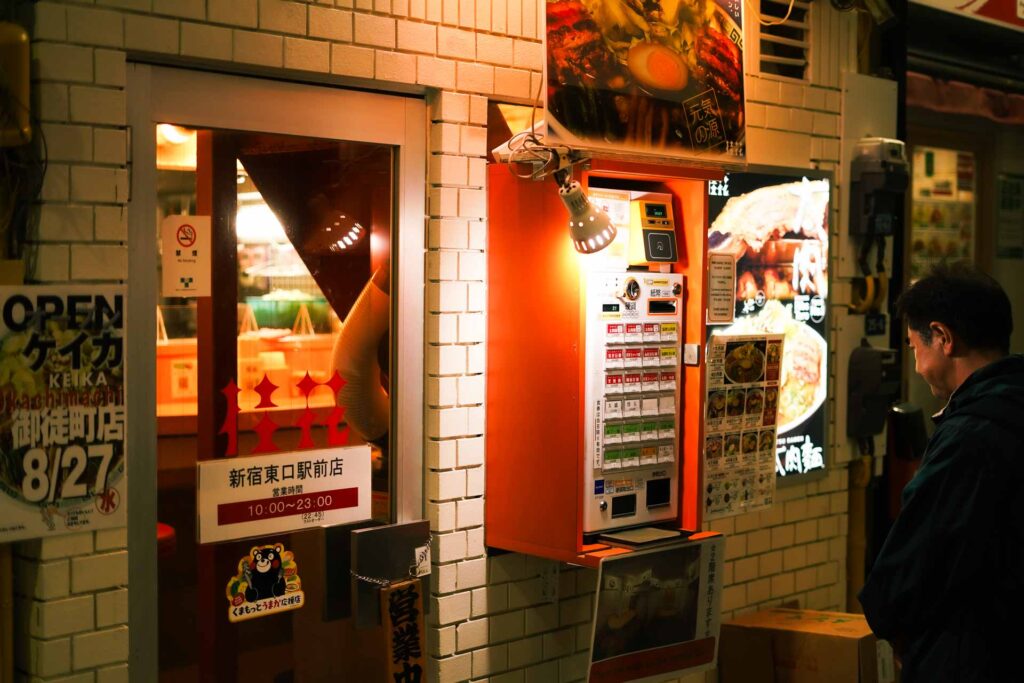
Here’s how it works: you put in your money, you press the button for the dish you want (with photos), the machine prints a ticket, you sit down, and you hand the ticket to the cook.
Why this system? There are no order mistakes, no time lost on service, no money handled by the cook, and no pressure — you take your time to choose. At first it feels a bit intimidating, but once you understand it, you love it. And you’ll probably eat some of the best ramen of your life for 800-1200 ¥.
10. Bikes Everywhere
One thing that surprised me in Japan is how many people get around by bike — and not the way you’d expect.
You see everyone on bikes: business people in suits, mothers with one or two kids strapped on, elderly people, students. Bikes are simply part of daily life. And most of the time, people ride them slowly and calmly, often on the sidewalk, sharing the space with pedestrians without any stress.
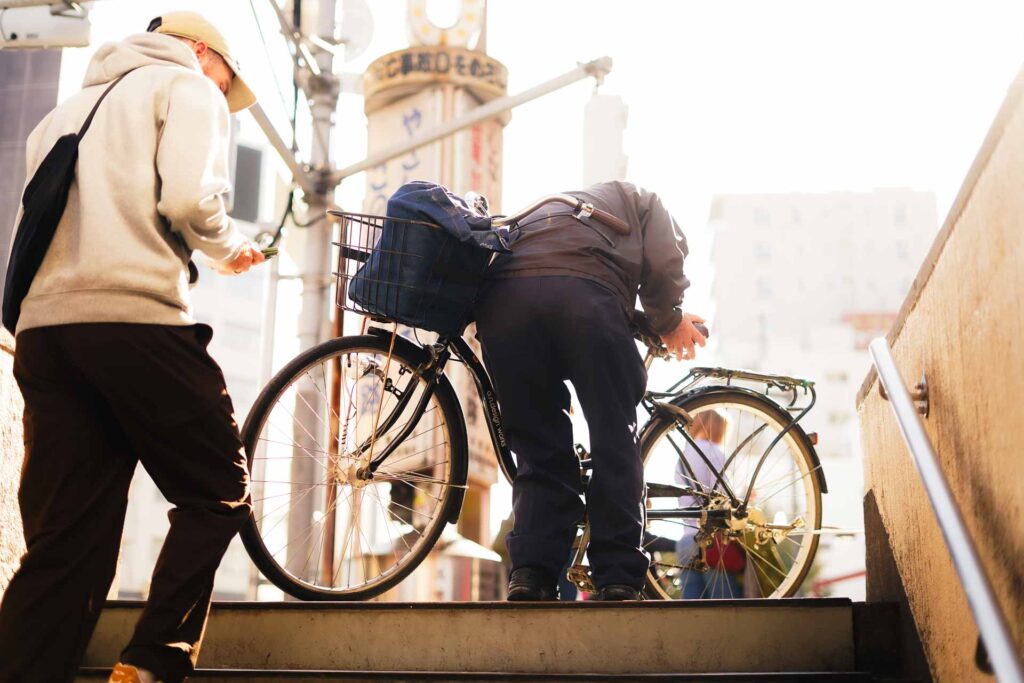
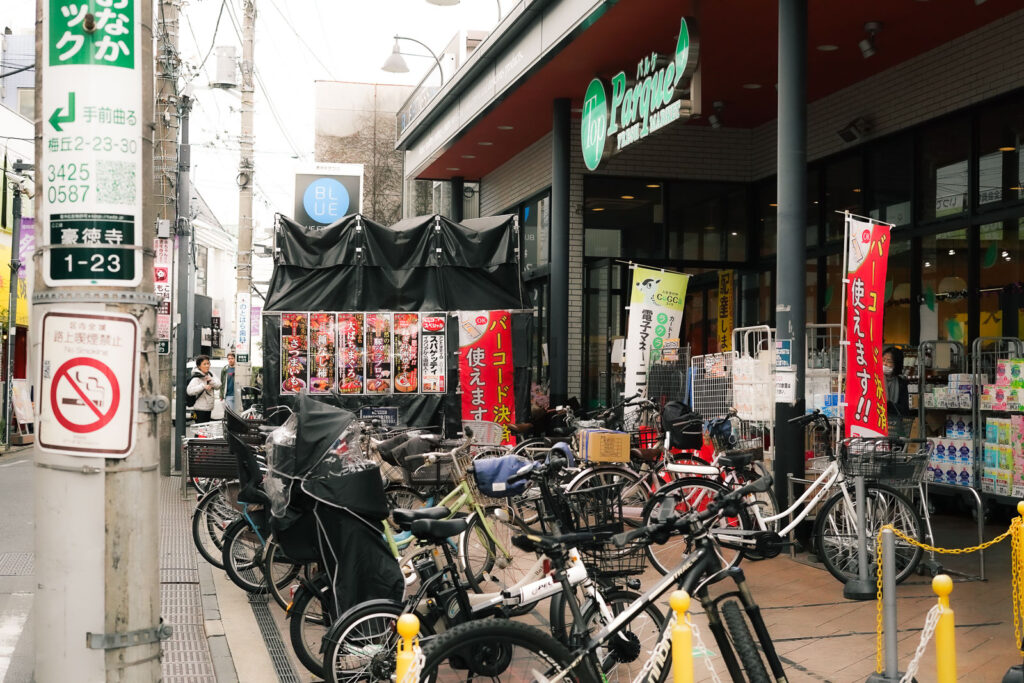
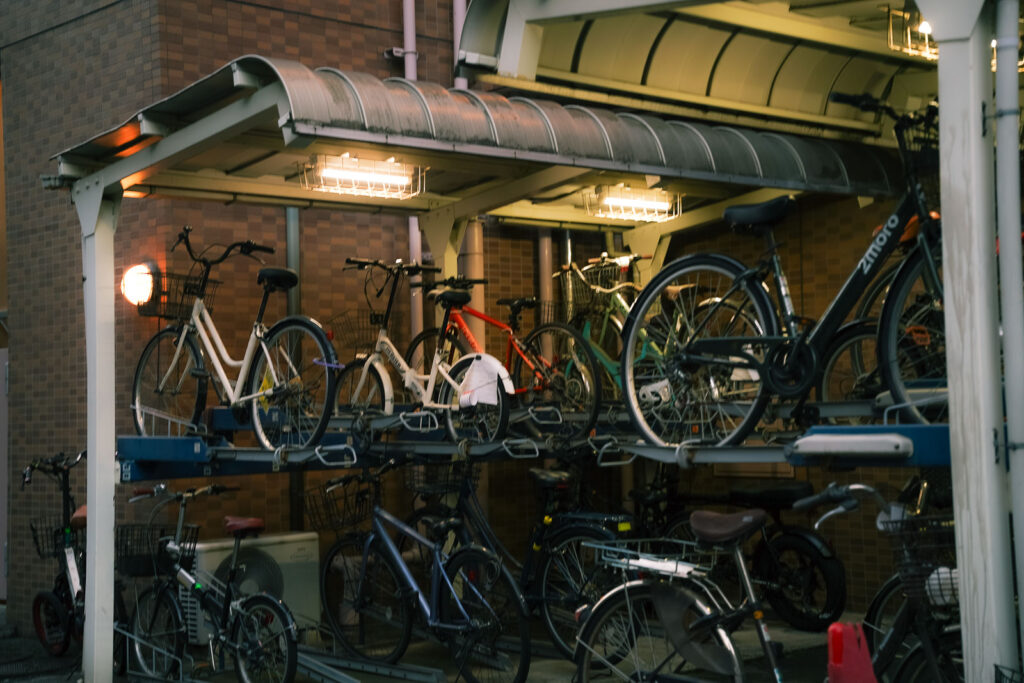
What surprised me the most is that you rarely see locked bikes the way we do back home. People leave them parked outside stations and shops, and thanks to the very low crime rate, they’re still there when they come back.
It’s another little detail that shows how calm, safe, and practical daily life feels in Japan.
11. The Queuing System
In Japan, people queue for everything, and it’s a real discipline.
The detail that surprised me the most is the escalator rule. In Tokyo, everyone stands strictly on the left. But in Osaka, it’s the opposite — everyone stands on the right. Nobody really knows why, but everyone knows their city’s rule and respects it.
You’ll also see perfect lines on metro platforms, with floor markings showing exactly where to wait. People line up for elevators, for popular restaurants, for everything. After a few days, this calm order actually feels really nice.
12. Luggage Lockers Everywhere
This is the tip I used the most during my trip: every train station in Japan has automatic lockers where you can store your luggage for the day.
They’re available 24/7, in different sizes (small, medium, and large for big suitcases), and you pay with coins or your Suica card.
When I arrived near Mount Fuji to cycle around Lake Yamanaka, I left all my luggage in a large locker at the station. It let me explore and bike all day without carrying my bags around. It’s such a simple system, and it makes traveling so much easier.
12. Face Masks in Daily Life
When you arrive in Japan, you notice that many people wear a face mask in the street, on the train, at work. This is not related to Covid — this habit has existed for a long time in Japan.
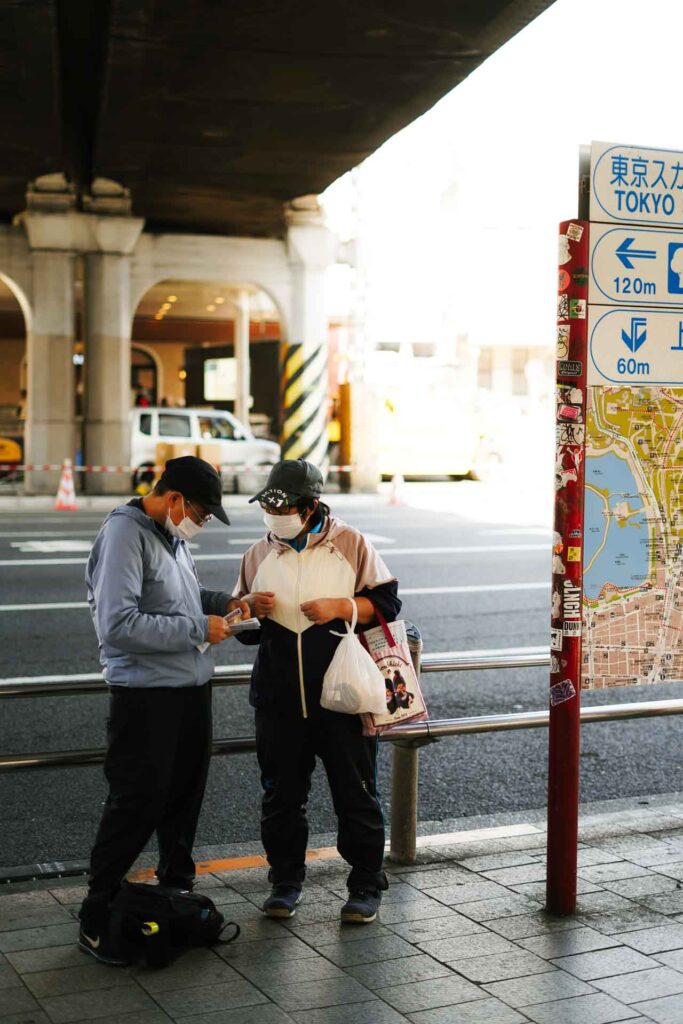
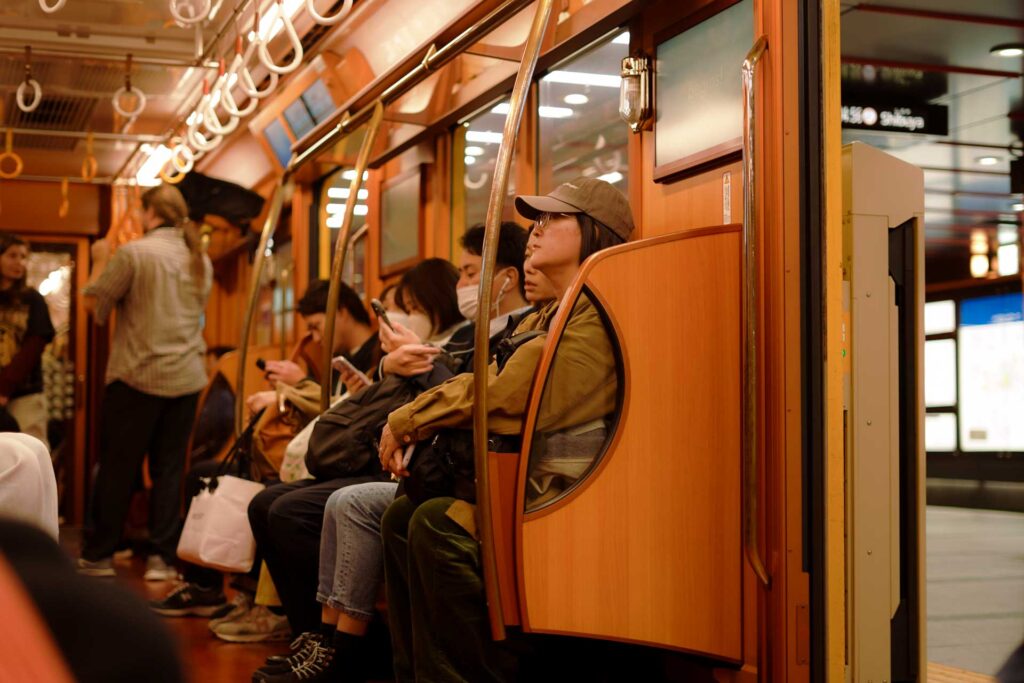
There are a few reasons. Wearing a mask when you’re sick is seen as a sign of respect, so you don’t spread your germs to others. Many people also wear one to protect themselves from pollen allergies in spring, or simply to be discreet — some wear it to skip makeup or just feel more private.
It says a lot about Japanese culture: you protect others before yourself.
Quick FAQs
What is the most surprising thing about Japan?
For most travelers, it’s the mix of high-tech (like the toilets and vending machines) with a deep, traditional culture of respect and trust.
Is Japan a safe country to travel in?
Yes, Japan has one of the lowest crime rates in the world. It’s considered one of the safest countries for travelers, including solo travelers.
Why are there so few trash cans in Japan?
Many public bins were removed after the 1995 sarin attacks in the Tokyo metro. There’s also a strong cultural habit of carrying your own trash with you.
Can you eat well at konbini in Japan?
Absolutely. Konbini food is fresh, tasty, and very affordable. Many travelers eat at konbini for their whole trip.
Final Thoughts
These are the 10 things that surprised me the most in Japan. Not the temples or the famous landmarks, but the small everyday details that you only notice once you’re there.
What struck me is that they all come back to the same idea: a society built around respect, trust, and quiet efficiency. It’s also why Japan makes you want to come back so badly.
Have you been to Japan? What surprised you the most? Let me know in the comments — I’d love to hear your stories.
READ | How to Get from Narita Airport to Tokyo →